I didn’t come to this work because I was interested in wellness. I came to it because I kept seeing systems fail people who were doing exactly what they were asked to do.
For most of my career, I worked inside institutions—healthcare, education, public health—helping them design programs, secure funding, and demonstrate impact. I learned how policy is written, how grants are won, how data is framed, and how decisions are justified. I also learned something less comfortable: that many of the most persistent problems we face are not caused by a lack of evidence, empathy, or effort. They are caused by misaligned incentives and an absence of accountability at the systems level.
I’ve spent years watching frontline workers absorb the consequences of those misalignments—through burnout, injury, financial precarity, and silent attrition—while organizations treat these outcomes as inevitable or invisible. Over time, it became clear to me that asking institutions to “care more” was not a strategy. And collecting more data that no one was structurally required to act on wasn’t either.
That realization reshaped how I think about change.
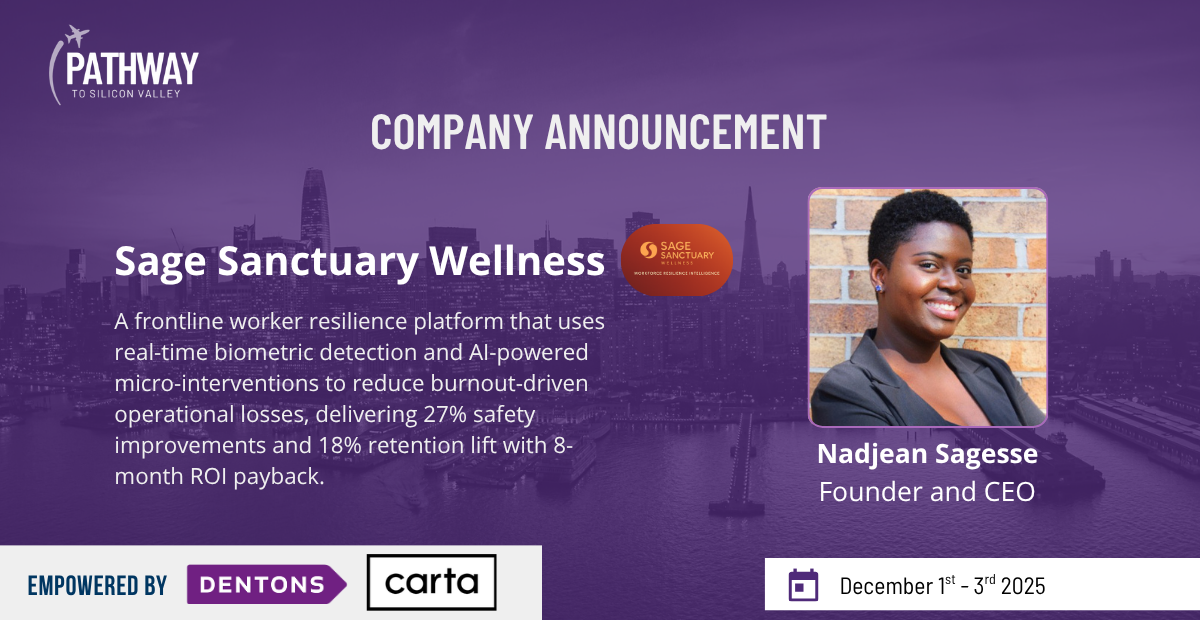
My work now focuses on building infrastructure that makes risk visible before it becomes crisis, and responsibility explicit before it can be deferred. I’m interested in governance, not just programs; in systems that surface pressure early, not narratives that explain failure after the fact. That’s what led me to found Sage Sanctuary Wellness and to build SENTINEL Workforce Systems—tools designed to operate at the level where decisions are actually made, without surveilling or blaming individuals.
Alongside this work, I’m pursuing doctoral research in leadership, advocacy, and equity—not because I believe credentials create authority, but because I believe rigor matters when you’re challenging entrenched systems. I care deeply about equity, but I’m also pragmatic about what moves policy and capital. I’ve learned that durable change happens when moral urgency is paired with structures that compel action.
At the end of the day, my goal is simple: to help institutions see what they are currently structured not to see—and to give them fewer places to hide from the consequences of inaction. I’m not interested in incremental fixes that preserve broken frames. I’m interested in building tools and partnerships that make better outcomes the rational choice, not the heroic one.
That’s the work I’m committed to, and the lens I bring to every collaboration.
---
Nadjean Sagesse brings over a decade of experience in public health systems, organizational risk, and federal contracting environments. A doctoral candidate at Tulane University School of Public Health & Tropical Medicine and contributor to millions in non-dilutive funds, she leads the deployment of the SENTINEL™ governance system across transit, education, and public sector clients. Nadjean’s leadership is grounded in compliance fluency, evaluator alignment, and non-retaliatory infrastructure for high-stakes workforces.